
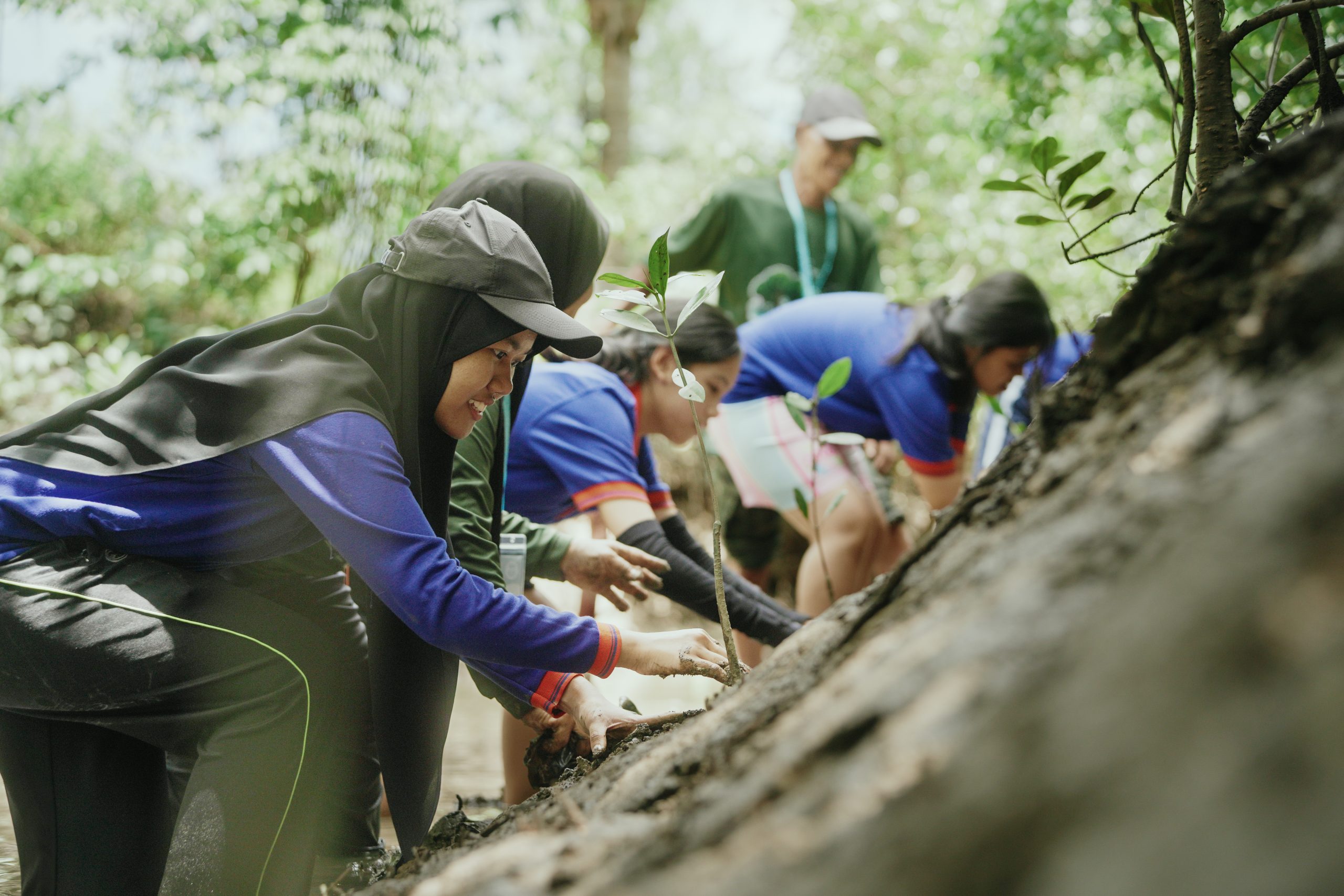
SATUN, Thailand, July 22, 2026 – The Thai Sea Watch Association (TSWA), in collaboration with Aramco Asia Singapore (Aramco), the Global Environment Centre (GEC), and Thailand’s Department of Marine and Coastal Resources (DMCR), officially launched a community-led mangrove conservation programme today in Satun Province.
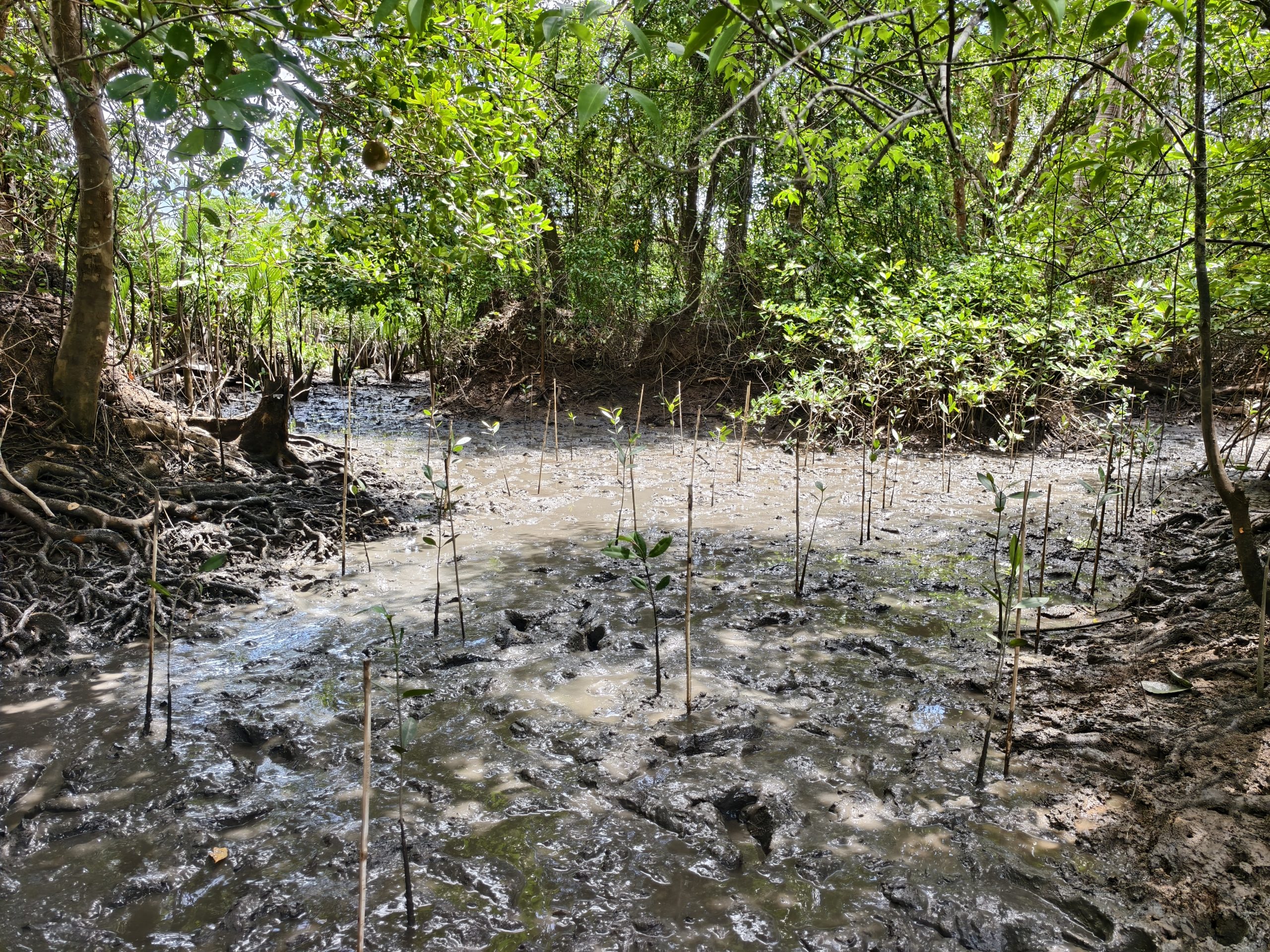
The launch ceremony, held at Tha Yassen in Ban Tha Malai (Moo 6), Pak Nam Subdistrict, brought together more than 150 participants, including local residents, government officials, and conservation partners. Officiated by Prachuap Mokharat, Director of the Marine and Coastal Resources Office Region 7, the event marked the planting of the first 1,000 native Rhizophora apiculata trees, the dominant mangrove species in the region. These initial plantings are part of a broader four-hectare restoration target aimed at planting 8,000 trees across four designated zones.
This launch marks the programme’s expansion into Thailand, following successful implementations in Malaysia, Indonesia, and Vietnam. Building on previous restoration models across Southeast Asia, the programme reflects a shared objective of marine preservation and community development.
“At Aramco, our citizenship efforts today prioritise people’s development and environmental preservation,” said Ayman M. Hoho, Managing Director of Aramco Asia Singapore. “We believe that environmental resilience is built from the ground up by empowering the people who live closest to these ecosystems. Following our mangrove conservation efforts in Malaysia, Indonesia, and Vietnam in partnership with GEC, we are proud to expand this programme to Satun, Thailand. By supporting the Thai Sea Watch Association and the Ban Tha Malai community nursery and by investing in local stewardship, we are not just planting trees – we are supporting livelihoods and helping foster an ecological movement that will help protect these coastlines for generations to come.”
Project implementation began in the second half of 2025. Over eight months of intensive groundwork, the project team and local community successfully established and officially registered the Ban Tha Malai Mangrove Conservation Group (BTMMCG) as a Coastal Community under the Act on the Promotion of Marine and Coastal Resources Management, B.E. 2558 (2015).
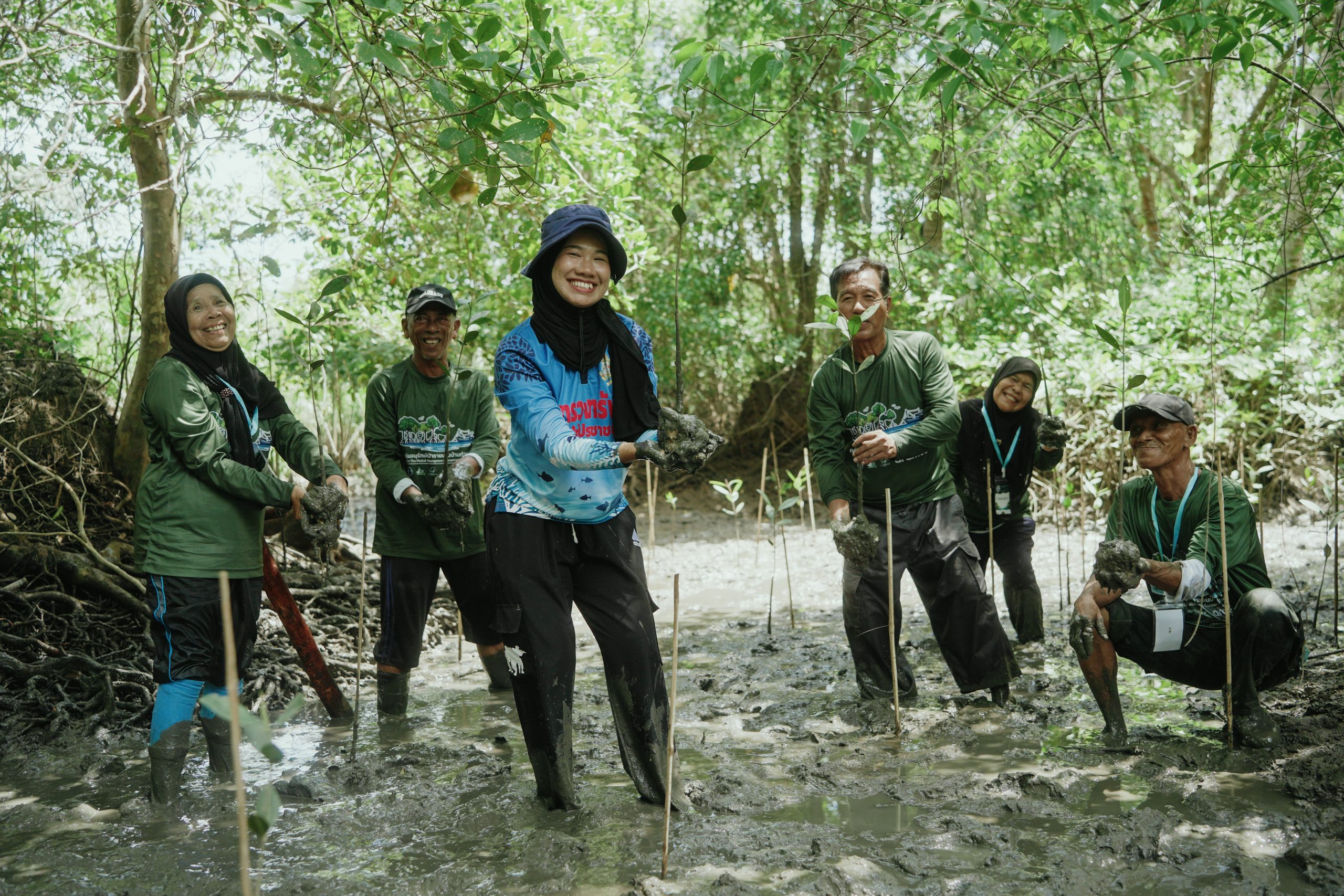
Faizal Parish, Director of GEC, highlighted the depth of this community-centred approach.
“Successful mangrove restoration requires deep technical capacity combined with genuine community ownership,” said Parish. “Over the past eight months, GEC has focused on helping TSWA and the local community transform a degraded area into an intergenerational conservation space where youth and elders work side-by-side. This project works to empower and equip community members with the tools and ecological framework needed to help sustain a thriving ecosystem, while our cross-border learning component connects Thai communities with conservation practitioners across the region.”
Since its establishment, the BTMMCG has helped transform a degraded site into a community nursery with a capacity of 10,000 seedling bags. To date, 8,000 propagules have been successfully sown.
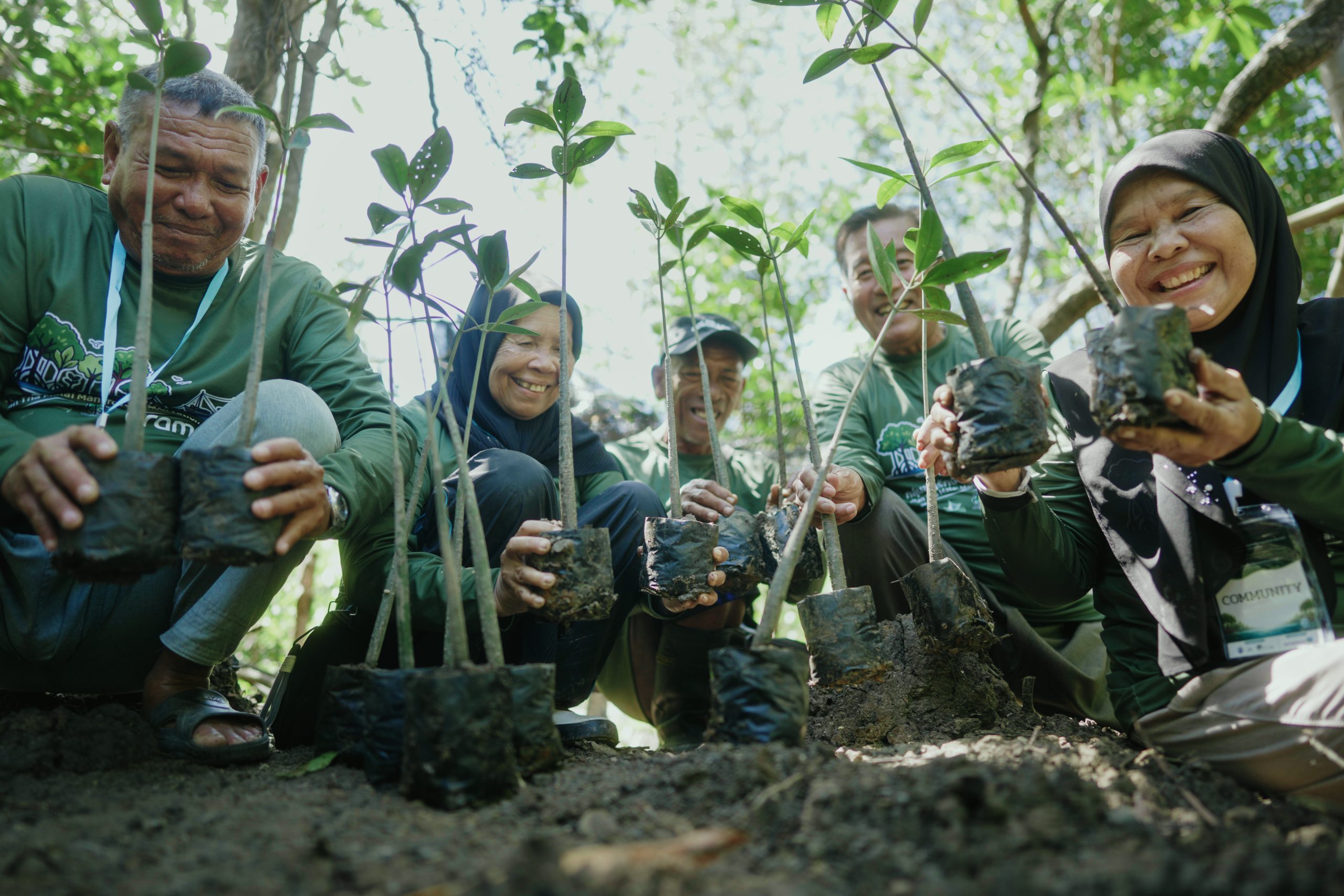
Wichocksak Ronnarongpairee, President of TSWA, reflected on the strength of the local partnership, stating: “This collaboration highlights how powerful localised partnerships can be. By working closely with the Ban Tha Malai community and providing ongoing training and logistical support, we have helped build a strong scientific and social foundation. Watching the community step up to formally lead these operations proves that local people are the most effective guardians of their own natural heritage.”
To help ensure long-term community ownership and economic resilience, the project has introduced a tree buyback system and organised cross-border study visits to Malaysia. These visits explore ecotourism, local food production, and stingless bee farming.
Jehnah Watthanaphan, Vice President of BTMMCG, spoke about the transformation within the village itself, noting: “This project has truly become a movement owned and driven by our community. The tree buyback system and alternative livelihood opportunities give us a direct stake in the forest’s survival. We are no longer passive participants; we are the decision-makers and caretakers, actively supporting the environmental and economic future of our coastal home.”
Prachuap Mokharat, Director of the Marine and Coastal Resources Office Region 7, commended the initiative as a model for collaboration. “This is a good example of public-private community partnership,” said Mokharat. “Formally recognising the BTMMCG as an official Coastal Community reflects the government’s commitment to decentralised, community-based natural resource management and creates a replicable blueprint for more sustainable coastal protection across Thailand and elsewhere in the region.”
END